
You have been invited to an Indian wedding and you have two questions, in this order: how much cash do I put in the envelope, and is cash alone enough?
Here are straight answers, plus what to give when cash is not the right call.
Cash — shagun or nyota — is not only acceptable at Indian weddings, it is the default. Nobody thinks less of you for giving money. It is expected.
The one rule that actually matters: end the amount in one. ₹101, ₹501, ₹1,001, ₹2,100, ₹5,100. The extra rupee makes the number indivisible and is considered auspicious — a wish that the couple’s fortune keeps growing rather than being cleanly divided. Handing over a round ₹5,000 is not offensive, but the ₹5,100 version signals you know what you are doing.
The same logic applies abroad. $101, £51, $251, AED 501.
Rough guidance, India:
Rough guidance, diaspora (US, UK, Canada, Gulf):
Treat these as orientation, not rules. Amounts vary enormously by community, region, city, and family. If you are unsure, ask someone else attending — this is a normal question and people answer it happily.
One genuine consideration: in some families, gifts are recorded in a register and reciprocated at your own wedding later. If that is the tradition in the family you are attending, the amount carries more weight than usual.
Gold or silver, however small. A silver coin, a small gold-plated item. Traditional and always well received.
Home items for the couple’s new place. Good cookware, a proper dinner set, quality linens. Practical, and genuinely used.
Something for the ceremony itself. A puja thali set, a silver diya. Appropriate and meaningful.
Experience gifts. A restaurant voucher, a spa booking, a night away. Increasingly popular with younger couples who do not need more objects.
A group gift. Several friends pooling for something substantial beats five separate mediocre gifts.
When in doubt, cash plus something small and thoughtful beats an ambitious object.
Every couple receives cash, cookware, and a dinner set. What almost nobody gives is something they will still be watching in ten years.
A group video — messages from friends, family, the people who could not attend — costs a fraction of a typical gift and is consistently the thing couples say they rewatch. It works particularly well as a group gift from friends: one person organises, everyone contributes a message, and it arrives as something no shop sells.
It also solves a specific problem: if you cannot attend the wedding, a recorded message is one of the few gifts that genuinely substitutes for being there. We wrote about that in more detail here.
Folksee is built for this. One link on WhatsApp, everyone records from their own phone, and every message lands in one reel for the couple. Contributors sign in with Google or an email address. It takes a few seconds, and there's nothing to install. If you are organising on behalf of a friend group, this guide on what to actually say is worth sending round with the link.
Start three to four weeks before the wedding. People are slow to record.
When to give. Usually at the reception, handed over in an envelope, often to a designated family member rather than the couple directly. Some families have a specific table.
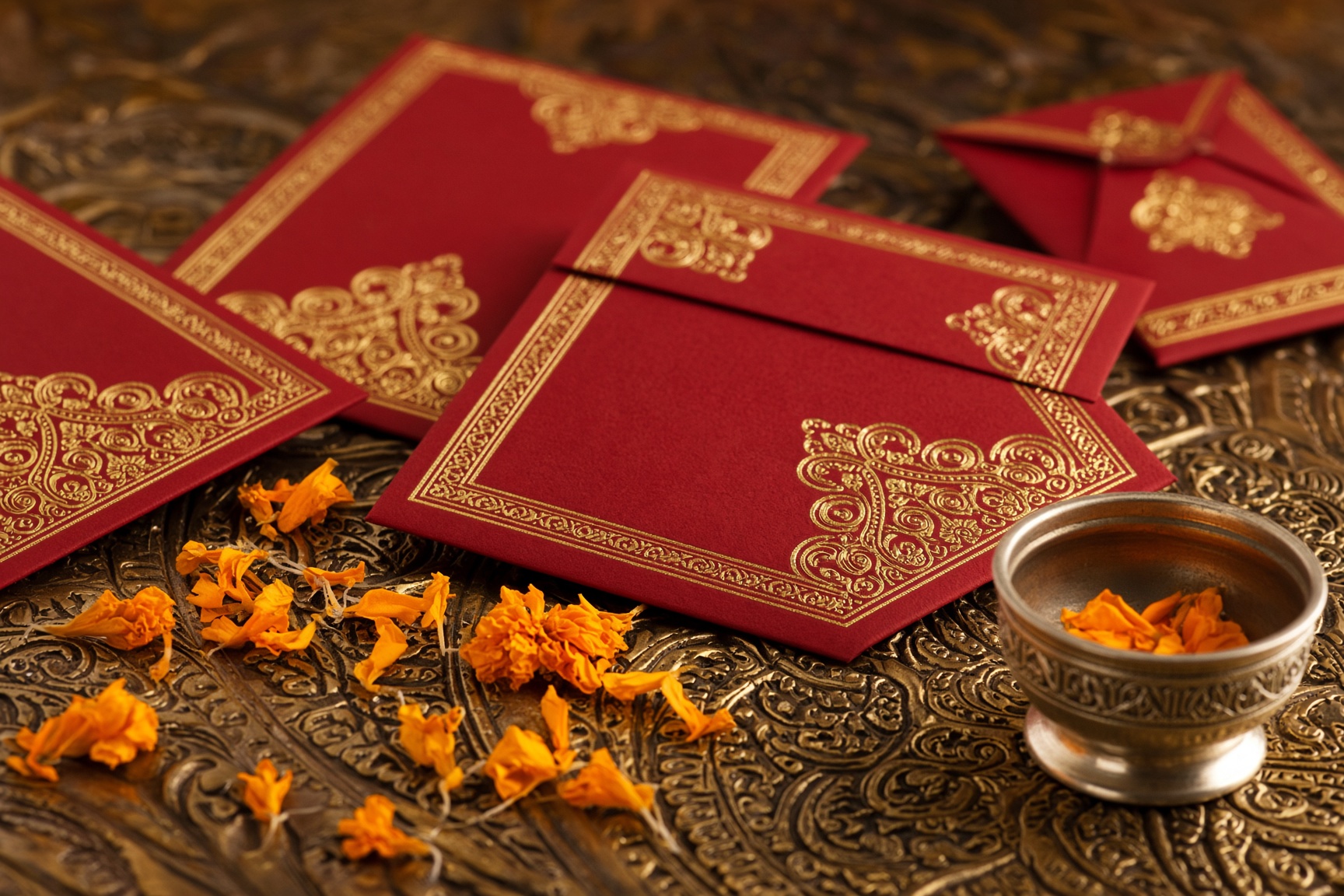
Use an envelope. Decorative shagun envelopes are sold everywhere and cost almost nothing. Loose cash looks careless.
Write your name on it. Genuinely important — many families track gifts, and unattributed envelopes create awkwardness.
Multi-day weddings. You do not give at each event. One gift covers the whole wedding.
If you cannot attend. Send the gift anyway, ideally before the wedding rather than after. And consider whether a recorded message would mean more than the object.
A note on the other side of this. If you would rather have contributions toward something specific — a honeymoon, a house deposit, a charity — say so, politely, on the wedding website rather than the invitation itself. Most guests are relieved to be told.
And whatever else arrives, the thing most couples report keeping is not on any registry: the messages.
Why we made Folksee
People deflect love when you say it to their face. A reel takes the room away, so it finally lands — and it's the opposite of doomscrolling.
Read what Reels with Feels means →


Everything works best in your phone’s browser. Tap below to open Folksee in Chrome/ Safari.
